
Want to attract more customers in your area? Optimizing your online visibility for local searches can turn nearby shoppers into loyal clients. This guide breaks down practical steps to help brick-and-mortar stores stand out in search results and connect with their community.
Unlike broad digital marketing tactics, local-focused efforts prioritize geographic relevance. For example, 46% of all Google searches include phrases like “near me now” – a trend that’s grown 150% in two years. By aligning your website and listings with these searches, you’ll appear where potential customers are actively looking.
We’ll explore how to maximize your Google Business Profile, improve local rankings, and implement proven techniques. Whether you run a café or hardware store, these methods help drive foot traffic and build trust. Discover how local SEO strategies deliver measurable results, including higher website traffic and better conversion rates.
Ready to make your mark online? Let’s dive into tools and tactics designed for businesses like yours – no tech expertise required!
Introduction: The Essence of Local SEO for Small Businesses
Why do some stores dominate neighborhood searches? Location-based optimization helps businesses appear when people search nearby. This approach focuses on connecting with community members actively looking for products or services.
What Is Geographic Targeting?
This method tailors online presence to specific areas. It combines accurate business listings, area-specific keywords, and customer reviews. For example, searches containing “near me” have tripled since 2020, showing how mobile users prioritize immediate solutions.
Why Community-Focused Optimization Works
Neighborhood visibility drives real-world results. Stores using these tactics see 5x more map views than those relying on general web traffic. Nearly 76% of people visiting a store within a day use location-based phrases.
Businesses with optimized Google profiles get 7x more clicks than competitors. By addressing community needs, companies become trusted choices for nearby shoppers. This strategy turns casual searches into store visits and sales.
Core Principles of Local SEO
Building local search success relies on three essential pillars: targeted keywords, valuable content, and technical precision. These elements work together to help nearby customers find your storefront or services effortlessly.
Start by choosing phrases your community actually uses. For example, “best coffee shop in [City]” outperforms generic terms like “great espresso.” Tools like Google’s Keyword Planner reveal what neighbors search for – use these insights to guide your website text and blog posts.
Detailed service pages and neighborhood guides boost relevance. A hardware store might create articles like “Winterizing Your Denver Home” or “Top Lawn Care Tips for Midwest Summers.” This approach answers specific questions while naturally including location details.
On-page optimization ensures search engines understand your geographic focus. Update title tags with area names, and mention landmarks or events in your content. Mobile-friendly designs and fast loading times also signal quality to both users and algorithms.
Finally, keep business information consistent everywhere – from your website footer to third-party directories. Address mismatches confuse customers and hurt rankings. When every element aligns, you become the obvious choice for local shoppers.
Understanding the Role of Google Business Profile
Your digital storefront matters as much as your physical location. A well-maintained Google Business Profile acts like a 24/7 salesperson, showcasing your brand to nearby customers. Listings with complete details receive 7x more clicks than incomplete ones, making optimization essential for visibility.
Optimizing Your Google Business Profile
Start by selecting precise categories – “Family-Owned Bakery” beats generic “Food Service.” Add high-quality photos of your products, staff, and store interior. Include:
- Accurate hours for holidays
- Service areas or delivery zones
- Special attributes like “wheelchair accessible”
Update contact details across all platforms monthly. Profiles with 10+ photos get 42% more direction requests. Use the Q&A section to address common customer queries proactively.
Leveraging Customer Reviews
Ratings directly influence search rankings and buying decisions. Businesses with 4+ stars attract 63% more clicks. Encourage feedback by:
- Training staff to mention reviews politely
- Adding review links to receipts
- Sending follow-up emails after purchases
Respond professionally to negative comments – 89% of customers check how businesses handle criticism. Thank reviewers by name and offer solutions offline when needed.
A polished business profile builds credibility. Search engines prioritize listings that stay current and engage customers regularly. Treat your profile like a living advertisement – refresh content quarterly and monitor performance through Google’s insights dashboard.
Exploring Local SEO Ranking Factors
Search engines prioritize three core elements when ranking neighborhood businesses: proximity, relevance, and prominence. Getting these right means appearing when customers need you most. Google Business profiles and website optimization work together to signal your authority in specific areas.
On-Page and Behavioral Signals
Title tags with location names boost visibility for nearby searches. Mobile-friendly pages load faster and keep users engaged – 53% of visitors leave sites that take over 3 seconds. Key signals include:
- Click-through rates from map results
- Time spent on service pages
- Phone calls initiated from your website
Update content regularly with neighborhood events or seasonal tips. This freshness tells algorithms you’re actively serving the community.
Importance of Local Citations and Link Building
Consistent business details across directories build trust. Use tools like Moz Local to fix mismatches in your name, address, or phone number. Local citations from chambers of commerce or event sites strengthen your geographic relevance.
Quality backlinks matter most when they come from area-specific sources. Partner with nearby blogs or charities for authentic mentions. A single link from a respected .edu domain can outweigh dozens of generic links.
For example, a bakery featured in a “Best Downtown Eats” article gains more traction than generic food blogs. Combine these efforts with SEO fundamentals like meta descriptions and structured data to maximize impact.
Benefits of Local SEO for Brick-and-Mortar Businesses
78% of nearby shoppers visit stores they find through search engine results within 24 hours. This immediate action shows why optimizing for location-based visibility matters. When your business appears in both organic listings and the local map pack, you capture attention at critical decision-making moments.
Boosting Brand Awareness Locally
Ranking in search results positions your store as a neighborhood authority. Businesses in the top 3 Google search spots get 33% of all clicks – a massive advantage in crowded markets. For example, a Chicago bakery saw 90% more website visits after optimizing for phrases like “fresh croissants downtown.”
Driving In-Store Conversions
Map pack appearances lead to real-world results. Stores featured here experience:
- 2x higher foot traffic than competitors
- 28% faster checkout times from prepared staff
- 19% repeat customer rates
Customers trust businesses dominating search engine rankings. A Florida hardware store increased same-day purchases by 40% after appearing in both organic and map listings. Clear signage and staff training amplified these gains, turning searches into sales.
Local SEO Strategies for Small Businesses: Actionable Techniques
Optimizing for mobile isn’t optional—it’s essential. Over 60% of searches for nearby services happen on smartphones. A seamless mobile experience keeps potential customers engaged and drives real results.

Building Responsive Digital Experiences
Google prioritizes mobile-first indexing, meaning your site’s mobile version determines rankings. Start with these steps:
- Test responsiveness using Google’s Mobile-Friendly Test tool
- Simplify navigation with thumb-friendly buttons
- Compress images to under 100KB for faster loading
Pages loading in 2 seconds or less see 35% lower bounce rates. Prioritize visible content loading first—addresses and phone numbers should appear immediately.
Mastering Area-Specific Search Terms
Tools like Semrush’s Keyword Magic Tool reveal what neighbors actually type. A Portland bookstore discovered “independent bookshop near Pioneer Square” generated 3x more clicks than generic terms.
Incorporate location modifiers naturally:
- City/district names in page titles
- Landmarks in product descriptions
- Neighborhood events in blog posts
Update content quarterly with seasonal phrases like “holiday gift shops in [Town].” This approach aligns with how people search while keeping your website relevant year-round.
Leveraging the Local Map Pack for Increased Visibility
Ever wonder why some stores pop up first when you search “coffee near me”? The Local Map Pack – those three business listings above organic results – drives 44% of all clicks for nearby services. Appearing here puts your storefront directly in front of ready-to-buy customers.
How Proximity Shapes Search Outcomes
Search engines prioritize businesses closest to the searcher’s location. A bakery 0.5 miles away often outranks one 2 miles distant – even with fewer reviews. Update your Google Business Profile coordinates monthly, especially if you serve multiple neighborhoods.
Winning Strategies for Map Pack Domination
Optimizing for map visibility requires balancing technical and practical steps. Start by mastering the Google Map Pack through these actions:
- Verify business hours match peak search times
- Add service-area keywords to your profile description
- Encourage reviews mentioning neighborhood landmarks
Stores combining these tactics see 3x more direction requests. Pair map efforts with organic ranking strategies for maximum impact. While organic listings attract researchers, map results capture urgent buyers – together they cover all stages of the customer journey.
Track your progress using Google’s Position Tracking tool. Businesses improving their local ranking signals typically move into the map pack within 8-12 weeks. Focus on consistent NAP citations and hyperlocal content to accelerate results.
Crafting Location-Based Keywords
Discovering the right phrases can transform how nearby shoppers find your business. Location-based keywords blend service terms with geographic markers like cities, landmarks, or neighborhoods. These phrases help connect with people searching for immediate solutions in their area.

Using Tools for Local Keyword Discovery
Start by exploring autocomplete features in search engines. Type “coffee shop” into Google and notice suggestions like “coffee shop near downtown” or “best latte in [City].” These real-time insights reveal what customers actually type.
Tools like Yelp Suggest and AnswerThePublic show popular local queries. For example:
- “24-hour diner in Austin”
- “affordable plumber near me”
- “dog groomer by Central Park”
Keyword planners highlight search volume and competition. Focus on phrases with high local intent but lower difficulty. A bakery might target “custom birthday cakes in Raleigh” instead of generic “bakery.”
Integrate these terms naturally into page titles and service descriptions. Avoid stuffing – mention neighborhoods in blog posts or voice search optimization content. For instance, a hardware store could write: “Top 5 Spring Lawn Care Tips for Phoenix Homeowners.”
Always align keywords with what your community needs. If you offer emergency repairs, include phrases like “24/7 electrician near [Landmark].” This approach matches how people search when they’re ready to act.
Optimizing Meta Data and On-Site SEO for Local Markets
Your website’s hidden text elements play a bigger role than you think. Well-crafted meta titles and descriptions act like digital billboards – they determine whether searchers click through or scroll past. Pages with optimized tags see 35% higher click-through rates in local results.
Best Practices for Meta Titles and Descriptions
Start every title with your location and primary service. “San Diego Bike Repair | 24/7 Mobile Service” outperforms generic “Bicycle Shop.” Keep titles under 60 characters to avoid truncation. Include:
- Neighborhood names for hyper-targeting
- Action words like “Visit” or “Book”
- Yearly updates for seasonal relevance
Descriptions should answer specific questions. A dental clinic might use: “Same-day appointments for toothaches in Downtown Houston. Open Saturdays – most insurance accepted.” This approach addresses pain points while including location details.
Creating High-Quality, Location-Specific Content
Build pages around neighborhood landmarks and events. A bakery could feature “Birthday Cakes Inspired by Austin’s Zilker Park” with photos of local ingredients. Service pages should mention:
- Area-specific challenges (e.g., “hard water solutions”)
- Local success stories
- Partnerships with nearby businesses
Update blog posts quarterly with phrases like “Spring Roofing Tips for Midwest Storms.” This keeps content fresh and aligned with search trends. Businesses using this strategy report 2x longer page visits and 28% more contact form submissions.
Avoid keyword stuffing in tags – focus on natural language. Tools like Yoast SEO help maintain ideal density. Regularly audit your pages to fix broken links and outdated location references. Consistent optimization turns casual browsers into loyal customers.
Building Consistent NAP Citations and Local Listings
Inconsistent business listings confuse customers and search engines alike. Over 80% of directory mismatches hurt search rankings, according to a BrightLocal study. Accurate name, address, and phone details (NAP) act like digital fingerprints – they help algorithms verify your legitimacy.

Why Directory Harmony Matters
Search engines cross-check your information across platforms. A single typo in your Yelp address or Yellow Pages profile can drop local visibility by 50%. Customers also get frustrated when they find conflicting details – 68% abandon businesses with inconsistent listings.
Keeping Your Digital Footprint Clean
Start by auditing existing citations. Tools like Moz Local scan 70+ directories for errors. Follow these steps monthly:
- Update holiday hours on Google and Apple Maps
- Standardize abbreviations (St. vs Street)
- Remove duplicate listings causing confusion
Set calendar reminders to verify details quarterly. Many platforms like Facebook require manual confirmation. Businesses using automated tools reduce errors by 92% compared to manual updates.
Pro tip: Create a master spreadsheet with exact NAP details. Share this with staff to ensure consistency in email signatures and social media profiles. This simple step prevents accidental variations that dilute your search authority.
Creating Location-Specific Content Pages
Tailoring your online content to specific areas can dramatically increase customer engagement. Businesses serving multiple neighborhoods often miss opportunities by using generic pages. Dedicated location-focused content helps you connect with community members searching for nearby solutions.
Developing Landing Pages for Different Locations
Create unique pages for each service area or branch. Include neighborhood names in headlines and local landmarks in descriptions. A Chicago HVAC company might feature “Wicker Park Furnace Repair” with embedded maps showing their service radius.
Add practical details like parking instructions and public transit routes. Pages with clear directions receive 3x more contact form submissions. Update these sections quarterly with seasonal references – think “Winter Storm Prep Tips for Boston Homes.”
Optimizing for Voice Search and Local Queries
Voice searches often use natural phrases like “Where can I find…” or “Who fixes…” nearby. Answer these questions using conversational language. Structure content with FAQ sections addressing common problems in your area.
Include schema markup for addresses and business hours. This helps voice assistants pull accurate information quickly. Businesses using schema see 31% more voice search traffic within six months.
Regularly review analytics to spot emerging local trends. Refresh content every 90 days with updated neighborhood references and service offerings. This keeps your website relevant as community needs evolve.
Enhancing Your Online Reputation with Customer Reviews
Did you know 88% of consumers trust online reviews as much as personal recommendations? Your digital reputation directly impacts both brand perception and search visibility. Positive feedback acts like free marketing, while thoughtful responses to criticism show your commitment to quality service.

Encouraging Positive Feedback
Make leaving reviews effortless for satisfied customers. Try these proven methods:
- Mention review options during checkout conversations
- Send follow-up emails with direct links to review platforms
- Display QR codes at your register linking to Google reviews
A Michigan café increased 5-star reviews by 140% using table tents with scannable codes. Always thank reviewers by name – this personal touch strengthens brand loyalty.
Managing and Responding to Negative Reviews
Address critical feedback within 48 hours. Start with: “Thank you for helping us improve.” Offer solutions privately through email or phone. A Texas HVAC company turned a 1-star review into repeat business by fixing the issue and updating their service checklist.
Monitor reviews across Yelp, Google, and industry-specific platforms weekly. Tools like ReviewTrackers help spot trends. Businesses analyzing feedback see 23% faster quality improvements compared to those ignoring comments.
Remember, your response style becomes part of your brand identity. Show how you implement suggestions – “We’ve added weekend hours based on your feedback” demonstrates active listening. This approach not only improves search visibility but builds community trust that drives long-term growth.
Leveraging Link Building and Backlinks in Local SEO
What separates top-ranked neighborhood businesses from competitors? A robust backlink profile acts like digital word-of-mouth, signaling trust to search engines. Unlike generic link-building, local efforts focus on community relevance and partnerships that drive tangible results.
Cultivating Hyper-Relevant Links
Local link building prioritizes connections with area-specific websites. A bakery might earn mentions from:
- Food blogs reviewing “best downtown pastry shops”
- Event calendars listing their cooking classes
- Charity sites recognizing community donations
These context-rich links prove your business serves specific neighborhoods. Search engines value this geographical alignment, often boosting rankings for terms like “artisan bread in [City]”.
Effective outreach starts with relationship-building. Sponsor little league teams to earn .org domain links, or collaborate with nearby stores on cross-promotions. A coffee shop partnering with a bookstore saw 40% more website visits from shared blog features.
Consistency matters most. Schedule monthly check-ins with local bloggers and industry groups. Track progress using tools like Ahrefs to identify high-value opportunities. Over time, these strategic connections create a sustainable pipeline of quality backlinks.
Remember: Every local mention strengthens your digital footprint. From chamber of commerce listings to festival sponsorships, community engagement builds both brand loyalty and search engine credibility.
Utilizing Local SEO Tools and Analytics
Did you know 63% of shoppers check online before visiting a store? Tracking your digital footprint helps you meet customers where they are. The right tools turn raw data into actionable insights – showing what works in your area and where to adjust efforts.
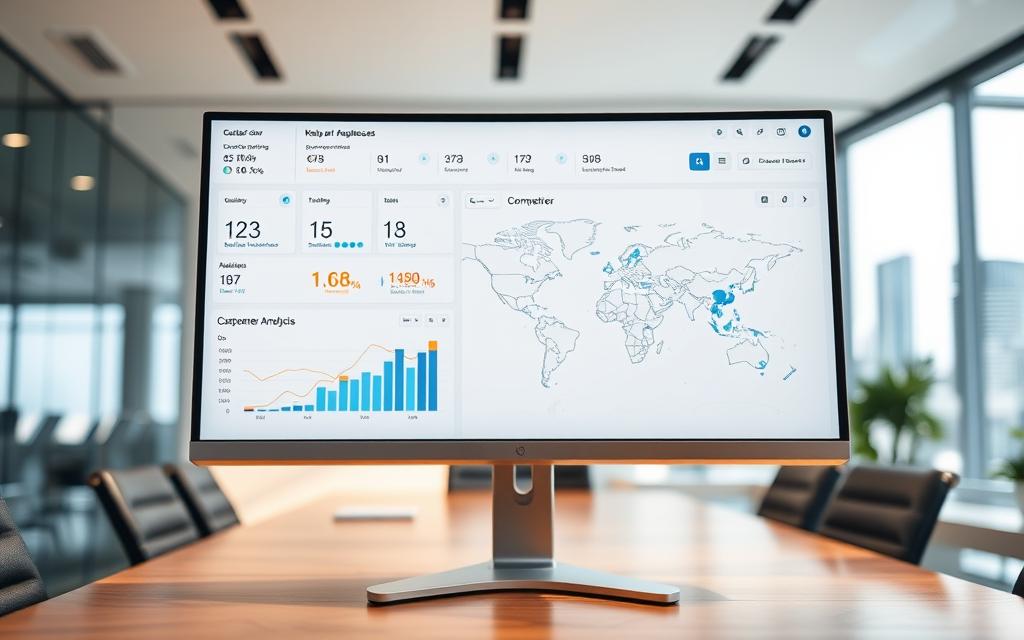
Tracking Rankings and Map Pack Performance
Tools like SEMrush Position Tracking and BrightLocal simplify monitoring. Set up alerts for key phrases like “plumber near [Landmark]” to spot ranking changes. Businesses using these platforms catch drops early – some recover rankings 50% faster than competitors.
Check map pack visibility weekly through Google Business Profile insights. A Dallas coffee shop noticed 3x more clicks after optimizing for “open late downtown.” Track performance over time to identify seasonal patterns or emerging competitors.
Monitoring Key Performance Metrics
Focus on three core metrics:
- Search volume for location-based phrases
- Click-through rates from map results
- Phone call duration from website visitors
Analyze trends in different areas using Google Analytics geolocation reports. A Michigan hardware store discovered weekend searches spiked at 7 AM – they adjusted staff schedules and saw 22% more same-day sales.
Schedule monthly audits comparing metrics across platforms. Tools like AgencyAnalytics create visual dashboards showing progress. Businesses reviewing data quarterly achieve 3x faster growth than those checking annually.
Future Trends and Evolving Strategies in Local SEO
Staying ahead in digital marketing requires anticipating shifts before they happen. Search behaviors and algorithms constantly evolve – businesses that adapt quickly gain lasting advantages. Emerging technologies like voice assistants and AI-powered search reshape how customers find nearby services.
Emerging Local Search Trends
Voice searches now account for 27% of all queries – and growing. People ask devices for “same-day flower delivery” or “24-hour pharmacies nearby.” Optimizing for conversational phrases becomes essential. Mobile-first indexing also prioritizes sites loading instantly on smartphones.
Personalized results based on user history will dominate. A parent searching “kids haircuts” might see salons their friends visited. This way of delivering results means businesses must build stronger community connections through reviews and social proof.
Here’s a simple guide to prepare:
- Test content with voice search tools monthly
- Create FAQ pages answering “who” and “where” questions
- Claim profiles on niche platforms popular in your area
Three practical tips keep you competitive:
- Monitor Google’s algorithm update announcements
- Refresh location pages every 90 days
- Track local competitors’ review response rates
Agility matters most. When TikTok launched local business tags, early adopters gained millions of views. Treat trends as opportunities – test new platforms while maintaining core strategies. This balanced way of working ensures steady growth amid changes.
Conclusion
Transforming your neighborhood visibility starts with the steps we’ve covered. From optimizing your Google profile to crafting location-specific content, each strategy builds your digital footprint. Remember, 46% of searches include local phrases – meeting customers where they search drives real results.
Fresh photos make your business relatable. Listings with updated images receive 42% more inquiries. Showcase your team, products, and storefront to help people visualize their experience before visiting.
Consistency matters. Keep business details accurate everywhere, and engage with reviews to build trust. Tools like SEO fundamentals help maintain technical health while focusing on community needs.
Success grows through steady effort. Track what works, refresh content quarterly, and listen to customer feedback. Every interaction – online or offline – shapes how people perceive your brand.
Ready to start? Pick one tip from this guide and implement it today. Building relationships with nearby people takes time, but the payoff – loyal customers and lasting growth – makes every step worthwhile.