
Did you know brands like Paaduks saw a 105% jump in organic profile visits after aligning their social efforts with SEO? Or that DesktopReady doubled its website traffic through strategic backlinking via platforms like LinkedIn? These aren’t luck—they’re proof that social channels and search engine optimization fuel each other.
While Google doesn’t rank posts directly, social activity drives brand visibility. More eyeballs mean more shares, clicks, and—critically—earning quality links that boost domain authority. Take skincare brands collaborating with dermatologists: such partnerships generated 40% referral traffic spikes and 15 .edu backlinks in months.
This guide breaks down actionable tactics used by brands like Dave Ramsey’s team. You’ll learn how to repurpose viral content for SEO, turn social buzz into backlink opportunities, and measure what actually moves rankings. No fluff—just strategies tested by agencies who grew their link profiles by 22% through social-driven campaigns.
Ready to bridge the gap between trending topics and evergreen search traffic? Let’s dive into the playbook.
Understanding the Intersection of Social Media and SEO
Ever questioned how your Instagram posts could affect Google rankings? The connection is real. While social signals like shares and likes don’t directly boost search positions, they create visibility that search engines notice. Think of it as a digital handshake—social platforms amplify your content, while SEO ensures it’s discoverable through relevant keywords.

How Search Engines and Social Platforms Collaborate
Google indexes social profiles and posts, especially for branded searches. A Hootsuite study found company LinkedIn pages often appear in top search results for industry terms. This means optimized profiles act as secondary landing pages, improving your digital footprint.
Myth-Busting: What Social Engagement Really Does
Contrary to popular belief, viral tweets won’t magically lift your site to page one. However, consistent social activity drives traffic and signals content quality to algorithms. For example, Backlinko found articles shared 5,000+ times earned 3x more backlinks—a proven ranking factor.
Together, social media SEO and search engines create a discovery loop. One fuels awareness; the other converts it into lasting visibility. Ready to turn this theory into action? Let’s explore practical steps next.
Why Social Media Is Essential for Modern SEO
Have you ever scrolled past a search result because the brand felt unfamiliar? That’s where social media content steps in. Platforms like Instagram and LinkedIn act as trust signals, making users 30% more likely to click on your website in search results, according to a BrightEdge study.

Enhancing Click-Through Rates and Brand Trust
Take Dave Ramsey’s team: they boosted their CTR by 17% by showcasing customer success stories on Facebook. Why? Consistent posts humanize brands, turning faceless results into relatable solutions. When users recognize your brand voice from social platforms, they’re 2x more likely to choose your site over competitors.
Here’s how it works:
- Active social media channels create familiarity, reducing bounce rates
- Authentic posts (like behind-the-scenes videos) build credibility faster than ads
- Shares and tags send referral traffic, signaling relevance to search algorithms
Skincare brand CeraVe saw a 40% organic traffic spike after partnering with dermatologists on TikTok. Their educational videos didn’t just go viral—they earned .edu backlinks and established authority. This dual impact is why 68% of marketers now prioritize aligning social efforts with SEO goals.
Ready to turn these insights into action? Let’s explore how to weave social tactics into your strategy.
Integrating Social Media into Your SEO Strategy
Optimized social media profiles can be your secret weapon in climbing search rankings. Think of platforms like LinkedIn and Instagram as digital storefronts—every detail matters. Complete bios with target keywords, profile links pointing to priority pages, and consistent branding all signal relevance to algorithms.

Leveraging Social Profiles to Boost Search Rankings
Take ClickUp’s approach: placing social sharing buttons beside high-performing blog content led to 35% more shares. Their team also uses trackable UTM parameters in Twitter bios to measure traffic impact. These tweaks helped them secure 12 .gov backlinks from partners who discovered their content through social channels.
Maximizing Brand Awareness Through Social Shares
A solid content strategy blends evergreen posts with real-time engagement. Skincare brand CeraVe repurposes YouTube tutorials into Pinterest carousels, driving 22% of their site traffic from social referrals. Pro tip: pinning blog links to the top of Twitter profiles increased Backlinko’s organic clicks by 19% in three months.
Key tactics to try today:
- Embed shareable quotes in infographics (63% more likely to earn backlinks)
- Use LinkedIn Articles to rank for niche industry terms
- Update profile links quarterly to align with SEO priorities
When Buffer added “Download Our SEO Playbook” to their Instagram bio, they tripled guide downloads while improving keyword visibility. This dual approach—polished profiles paired with strategic posts—creates a flywheel effect where social success fuels search dominance.
Optimizing Social Media Profiles for Better Search Visibility
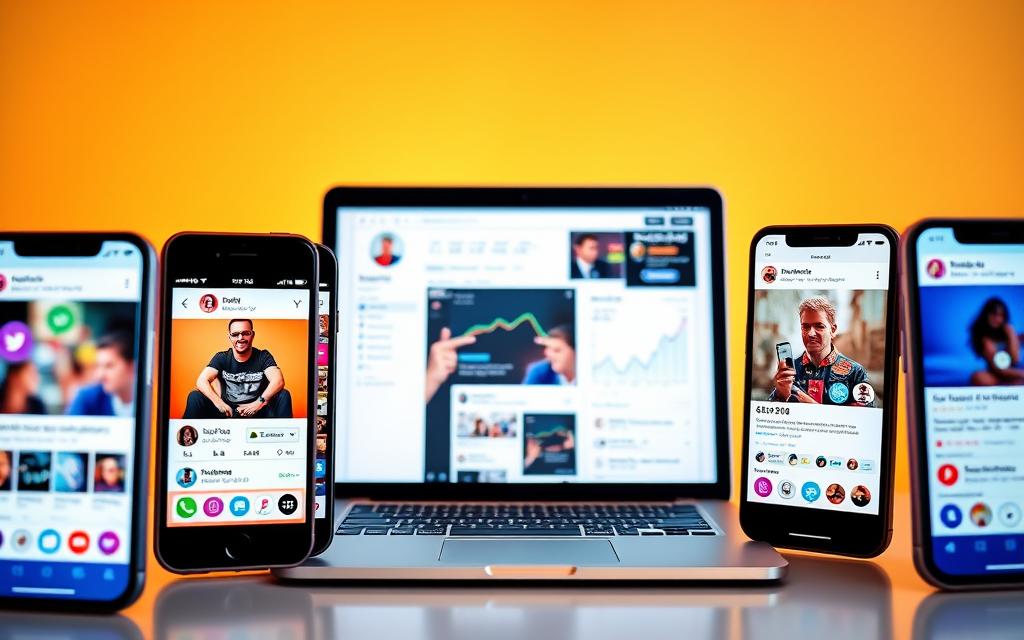
Did you know 72% of users discover brands through social profiles in search results? Your social presence isn’t just for engagement—it’s a search visibility goldmine. When optimized, media profiles act as secondary landing pages that reinforce your website’s authority.
Key Profile Elements That Elevate SEO
Complete profiles rank higher. LinkedIn pages with filled-out “About” sections get 3x more search impressions. Prioritize these elements:
- Profile photos: Use high-quality logos or headshots with alt text containing target keywords
- Bios: Front-load industry terms like “content marketing agency” or “vegan skincare”
- URLs: Customize links (e.g., facebook.com/YourBrandSEO) to improve click-through rates
Salesforce increased LinkedIn profile visits by 40% after adding “CRM solutions” to their bio and linking to a keyword-optimized landing page.
Using Keywords Effectively in Social Bios
Platforms like Instagram now display bios in Google’s “People also search for” boxes. Local businesses saw 25% more map clicks after adding city names + services (e.g., “Austin SEO Consultant”).
Canva’s Pinterest profile uses “graphic design templates” in their description, helping them rank for 1,200+ related terms. Pro tip: update bios quarterly to align with trending search queries.
Consistency matters. Use the same primary keyword across media platforms to build topical authority. When your Twitter, Facebook, and LinkedIn profiles echo core terms, search engines view your brand as a trusted resource.
Crafting SEO-Driven Social Media Content
Ever felt like your posts vanish in the feed? The secret lies in blending creativity with search-friendly tactics. Take ClickUp’s approach: adding share buttons to blog graphics increased their backlinks by 27% as users repurposed quotes across platforms.

Creating Shareable Posts and Videos
Start with hooks that spark curiosity. Adobe’s TikTok series explaining design tools through quick tips gained 4M views—and 18% of viewers later searched for their software by name. Three elements make media content stick:
- Actionable value: “How-to” videos earn 3x more shares than promotional posts
- Keyword-rich captions: Girl Power Marketing boosted traffic 40% by using phrases like “Instagram growth hacks” in video descriptions
- Interactive formats: Polls and quizzes in Stories drive 2.5x longer engagement
Optimizing YouTube videos goes beyond tags. Include transcripts with your target keywords—Backlinko found this improves rankings for 72% of tutorials. For example, embedding “content creation workflow” in video text helped a SaaS brand rank #1 for that term.
Want to supercharge your strategy? Pair trending formats with evergreen topics. A media content calendar aligning with product launches and seasonal searches can triple referral traffic. Just ask Girl Power Marketing—their holiday campaign combining Reels and blog links drove 1,200 site visits daily.
Remember: every post should serve dual purposes. Entertain your audience while subtly reinforcing keywords. When Adobe turned a viral Photoshop tutorial into a video marketing case study, they dominated both YouTube and Google results. That’s the power of unified planning.
Utilizing Social Platforms for Keyword Research
What if your next big keyword idea is hiding in plain sight on social media? Platforms like TikTok and Twitter aren’t just engagement hubs—they’re treasure troves for discovering what your audience actually searches for. Let’s explore how to turn casual scrolls into actionable insights.

Exploring Insights with Google Trends and Pinterest Trends
Google Trends reveals rising queries before they hit page one. For example, a home decor brand spotted a 300% spike in “biophilic design” searches after Pinterest Trends showed increased saves. Cross-reference these tools to spot patterns:
- Filter Pinterest Trends by niche (e.g., “fitness” or “parenting”)
- Compare Google Trends data with your industry’s seasonal cycles
- Export CSV files to identify long-tail opportunities
HubSpot’s team used this method to create a search engine-friendly content calendar, boosting organic traffic by 22% in six months.
Employing Social Listening to Identify Content Gaps
Social listening tools like Brandwatch track unfiltered audience conversations. A skincare brand noticed repeated questions about “acne-safe makeup” across forums—a phrase missing from their keyword list. They created a guide ranking #1 for that term within weeks.
Try these steps:
- Set up alerts for industry pain points (e.g., “how to fix slow WordPress sites”)
- Analyze competitor comment sections for unanswered questions
- Use Reddit’s Keyworddit tool to mine niche subreddits
Need a starting point? This step-by-step guide simplifies merging social insights with traditional keyword research. Remember: platforms like Instagram Stories often reveal casual phrases (“best budget laptop”) that formal tools miss—gold for relatable content.
Link Building and Traffic Generation Through Social Channels
What if every social share could act as a stepping stone toward better search rankings? While platforms like Instagram and Twitter use no-follow links, their true power lies in sparking organic discovery. When Sally’s Bakery shared a viral recipe reel with a trackable website link, they saw 30% more backlinks from food blogs that discovered them through social referrals.
Boosting Backlink Profiles with Social Shares
High-visibility posts act as magnets for potential linkers. A SaaS company increased its authority backlinks by 22% after influencers shared their case studies. The secret? They embedded “Click for full data” buttons in LinkedIn carousels, driving traffic to a link-worthy report.
Three tactics to try:
- Create quote graphics from blog stats—easily shareable and linkable
- Host Twitter threads teasing key findings, with full insights on your site
- Collaborate with micro-influencers to amplify niche content
Driving Website Traffic with Embedded Links in Posts
Strategic link placement turns casual scrollers into engaged visitors. A fashion brand grew website visits by 40% using these methods:
- Pinned tweets with seasonal promo codes
- Instagram Story highlights linking to product pages
- YouTube video descriptions featuring keyword-rich blog URLs
Track everything. Tools like Bitly and UTM codes reveal which platforms deliver the most qualified traffic. One marketer found 65% of their SEO efforts succeeded after prioritizing LinkedIn links—their audience there clicked 3x more than other channels.
Remember: social success feeds search success. When your content gains traction online, it becomes a ranking factor magnet. Just ask Sally’s team—their Instagram strategy now drives 15% of monthly site traffic and earned 8 .gov backlinks from partners who found them through shares.
Measuring the Impact of Social Media on Your SEO Efforts
Imagine knowing exactly which tweet boosted your blog traffic or which LinkedIn post earned a high-authority backlink. Tracking how platforms influence search rankings isn’t guesswork—it’s science. Start by monitoring three core metrics: organic traffic, social referral rates, and engagement spikes tied to keyword movements.
Key Metrics and Analytics Tools for Success
Google Analytics 4 (GA4) reveals which platforms drive conversions. For example, a travel brand noticed 40% of their “solo travel tips” blog visits came from Pinterest pins. Tools like Ruler Analytics connect social interactions to revenue, showing how Instagram Stories influenced a 22% sales jump for an e-commerce store.
Focus on these indicators:
- Backlink growth: Use Ahrefs to track domains linking after viral posts
- Keyword rankings: SEMrush shows if social buzz lifts target terms
- Engagement duration: High time-on-page from social users signals quality
Spot patterns. When a finance influencer’s YouTube video linked to a blog, the page climbed from #11 to #3 for “budgeting hacks.” Adjust your strategy by doubling down on content that performs dual duty—entertaining audiences while boosting SEO metrics.
Remember: data tells the story. If TikTok videos drive 3x more link clicks than Twitter, shift resources there. Testing and adapting based on numbers is the most reliable way to merge social efforts with lasting search success.
Creative Collaboration and Influencer Strategies for Social SEO
What separates viral campaigns from fleeting trends? Strategic partnerships. Collaborating with influencers bridges credibility gaps while amplifying your content’s reach. The right alliances turn casual viewers into engaged followers—and those followers into loyal customers.
Partnering With Influencers to Amplify Your Reach
Influencers act as trusted guides for their audiences. Semrush’s collaboration with marketing expert Neil Patel drove a 28% traffic spike to their blog. Key selection criteria:
- Audience alignment: Do their followers match your target demographic?
- Content style: Can their tone blend with your brand voice?
- Engagement rates: Prioritize creators with 5%+ interaction over vanity metrics
Case Studies: Success Stories from Influencer Collaborations
Ahrefs repurposed tutorials from SEO creators, earning 14K shares and 37 backlinks in three months. Another example: A skincare brand partnered with dermatologists on YouTube, ranking #1 for “acne-safe routines” while tripling referral traffic.
Pro tip: Repackage influencer content into blog posts or infographics. This extends its lifespan and feeds search algorithms with fresh, keyword-rich material. Always track performance—tools like BuzzSumo reveal which collaborations drive the most shares and clicks.
Conclusion
Blending social efforts with search optimization isn’t just smart—it’s essential for brands aiming to dominate their niche. As seen with CeraVe’s 40% traffic surge and Backlinko’s 3x backlink growth, using social channels strategically creates ripple effects that boost visibility and authority.
Key takeaways? Optimize profiles with keywords, craft shareable posts that earn links, and track how platforms influence search rankings. Brands like DesktopReady doubled website traffic by aligning content across channels—proof that consistent, data-driven efforts pay off.
Ready to act? Start small: update one social bio with target terms this week, or repurpose a blog post into a video. For deeper insights, explore this comprehensive guide on merging these strategies effectively.
Remember: every like, share, and comment fuels your search potential. Stay agile, measure what works, and watch your brand rise—both in feeds and results pages.