
Every day, Google handles over 8.5 billion searches. That’s roughly 99,000 queries every second. With numbers like these, staying visible online isn’t just helpful—it’s essential. Search engines have come a long way since basic directory listings. Today, they prioritize mobile-friendly content, user intent, and quality signals.
Why does this matter? Major changes like the 2024 core update or the product reviews update can reshuffle rankings overnight. Websites that adapt thrive. Those that don’t risk fading into obscurity. For example, the shift to mobile-first indexing forced businesses to rethink site design and loading speeds.
Staying ahead means understanding how these systems evolve. Google’s tweaks aim to reward helpful content and penalize shortcuts. Miss a critical update, and your traffic could plummet. But with the right strategy, you can turn these changes into opportunities.
Think of algorithm adjustments as a roadmap. They highlight what search engines value now—and what they’ll prioritize next. Whether it’s improving page experience or refining content depth, adaptation is key to lasting success.
Introduction to Algorithm Updates and SEO Trends
Search engines constantly refine their methods to deliver better results. Google alone makes hundreds of tweaks yearly, but only a few—like the 2023 core update—truly reshape rankings. These changes range from minor fixes to full-scale core algorithm updates that reward or penalize sites based on new standards.
Small adjustments might go unnoticed, but major shifts demand attention. For instance, the helpful content update pushed websites to prioritize genuine value over keyword stuffing. It’s part of a broader move toward people-first content that answers real questions clearly and thoroughly.
Why focus on these trends? Because they dictate visibility. A core algorithm update in 2023 reshuffled rankings for sites lacking expertise or user-friendly design. Meanwhile, pages aligning with Google’s E-E-A-T principles (Experience, Expertise, Authoritativeness, Trustworthiness) gained traction.
Staying competitive means treating updates as clues. They reveal what search engines value next—whether it’s faster load times or deeper topic coverage. Adapting early keeps your site ahead of sudden traffic drops and positions you for long-term growth.
In the rapidly evolving landscape of search and AI-driven discovery, Wellows stands out as an autonomous marketing platform that helps brands understand and optimize how they’re perceived by modern AI-powered “search engines”, in order to improve their AI visibility. Rather than just focusing on traditional SEO metrics, Wellows provides a holistic view of visibility across large language models (LLMs) like ChatGPT, Gemini, Perplexity, and Google’s AI Overview.
At its core, Wellows is built to be an “autonomous marketer.” Its suite of AI agents, including KIVA, automates content workflows and technical audits so marketing teams can spend less time juggling tools and more time on strategy.
One of Wellows’ most powerful features is its AI Search Visibility dashboard, which aggregates citations, sentiment signals, and visibility trends into a single live view. The platform’s Citation Score and GenAI visibility stack make it easy for marketers to track how their brand is being referenced by AI engines – both explicitly (direct mentions) and implicitly (contextual associations) – and to identify missed opportunities or gaps where competitors are gaining ground.
The Evolution of Google’s Search Algorithm
Google’s search algorithm didn’t start as the complex system we know today. In 1998, it relied on basic directory-style results sorted by keyword matches. Early updates like Panda (2011) and Penguin (2012) targeted low-quality content and spam, reshaping how websites approached SEO.
Historical Milestones and Key Changes
The shift to mobile-first indexing in 2019 marked a turning point. Google began prioritizing sites optimized for smartphones, reflecting how users accessed information. This move aligned with the page experience update, which emphasized loading speed, interactivity, and visual stability.
Another critical moment came with addressing site reputation abuse. Early algorithms struggled to detect manipulative link-building schemes. Updates like the 2022 Google Core Update introduced better spam detection, penalizing sites using shady backlink tactics.
From Directory Searches to Mobile-First Indexing
By 2020, over 60% of searches happened on mobile devices. The page experience update formalized this trend, making mobile-friendliness a ranking cornerstone. Core updates now reward sites with clean designs and fast-loading pages.
Recent changes also tackle evolving challenges. The 2024 Google Core Update further refined how site reputation abuse is identified, protecting users from misleading content. For a deeper dive into these shifts, explore key milestones in Google’s history.
Through constant tweaks—like prioritizing page experience signals—Google’s algorithm keeps adapting. Each update reflects lessons learned, ensuring search results stay relevant in our fast-paced digital world.
How Google’s Search Algorithm Works
Imagine Google’s algorithm as a master chef tasting thousands of dishes daily. It samples ingredients like page speed, user engagement, and content relevance to decide which sites deserve top spots. Updates like the 2024 spam update act as new taste tests—refining what gets served to users.
Understanding Ranking Factors and Web Signals
Google’s recipe for rankings blends over 200 ingredients. E-E-A-T principles (Experience, Expertise, Authoritativeness, Trustworthiness) remain crucial. Mobile optimization and secure connections also weigh heavily. Recent tweaks, like the 2022 product reviews update, reward detailed analyses over superficial lists.
Web signals like click-through rates and dwell time act as real-time feedback. Sites satisfying searchers’ needs get prioritized. The November 2024 core update sharpened how these signals interact—especially for competitive niches.
Role of Webmaster Guidelines
Following Google’s playbook isn’t optional. Their Webmaster Guidelines outline technical must-haves: clean code, proper redirects, and crawlable structures. Ignoring these risks penalties during updates like the 2024 spam update.
Balancing automation with human checks ensures fairness. While algorithms handle most evaluations, manual reviews catch sneaky tactics. Staying compliant means focusing on users first—exactly what Google rewards long-term.
Key Milestones in Algorithm History
Google’s search tools have transformed dramatically since their early days. The March core update stands out as a game-changer, reshaping how websites compete for visibility. Released in 2023, this google algorithm update prioritized page quality and user satisfaction over outdated SEO tactics.

Another landmark came with the helpful content system rollout. This shift rewarded sites offering genuine expertise while penalizing clickbait. Search Engine Roundtable reported 40% of low-quality pages lost rankings within weeks of its launch.
The 2024 refresh of the march core update doubled down on these principles. Semrush data shows pages aligning with E-E-A-T principles gained 22% more traffic post-update. Mobile-first indexing also became non-negotiable during this period.
These changes highlight Google’s evolving priorities. The helpful content system now acts as a quality filter, favoring in-depth guides over thin articles. As one webmaster noted: “Adapting to these google algorithm updates feels like learning a new language—but it keeps us honest.”
Looking ahead, each march core update serves as a checkpoint. They remind creators to focus on what truly matters: solving problems for real people.
Core Updates vs. Spam Updates: What to Know
Ever wonder why some Google changes shuffle rankings while others vanish spam overnight? The difference lies in two update types: core algorithm adjustments and spam-targeting refreshes. Each serves distinct purposes, but both shape your site’s visibility.
Defining Core Algorithm Updates
Core updates refine how Google assesses content quality. The february 2023 product review update, for example, prioritized in-depth buyer guides over brief summaries. Similarly, the october 2023 core update rewarded sites with fresh expertise signals.
These broad changes recalibrate ranking systems. Semrush data shows pages hit by the core update march 2024 regained traction by improving content depth by 35%. Unlike penalties, core adjustments don’t punish—they rebalance what deserves attention.
Understanding Spam Update Mechanisms
Spam updates act like digital bouncers. They target manipulative tactics—think cloaked links or auto-generated gibberish. While the october 2023 core update focused on quality, Google’s spam teams simultaneously scrubbed results of shady practices.
Tools like Semrush Sensor track these sweeps. Sites hit by spam updates often see faster recoveries than those affected by core changes—if they remove harmful elements. For instance, removing doorway pages helped 62% of websites rebound post-february 2023 product spam refresh.
Whether adapting to the core update march or cleaning up for spam checks, one truth remains: Google rewards those playing by its evolving rules.
Recent Algorithm Updates and Their Impacts
Digital landscapes shifted dramatically in 2024-2025 as search engines refined their evaluation methods. The March core update 2025 caused immediate turbulence, particularly for sites with thin content or outdated optimization tactics. Travel blogs saw 18% ranking drops, while healthcare portals using 2022 helpful content strategies maintained stability.

Insights from 2025 and 2024 Update Rollouts
Last year’s updates prioritized sector-specific expertise. E-commerce platforms using the july 2022 product update framework gained visibility through enhanced schema markup. Meanwhile, review sites ignoring 2023 product reviews guidelines faced 30% traffic losses within weeks.
Semrush Sensor tracked 47% more ranking fluctuations during these rollouts compared to 2023. The 2022 helpful content approach proved resilient, with compliant pages recovering 72% faster post-update.
Data Highlights from Semrush Sensor and Other Sources
Search Engine Roundtable reports show:
- Local service sites improved rankings by 26% after optimizing for 2023 product reviews standards
- Pages updated quarterly outperformed static content by 41% in volatile sectors
These patterns confirm a truth: regular adaptation beats reactive fixes. For those adapting to search engine changes, data-driven adjustments create lasting advantages. The july 2022 product refresh taught us that—and today’s updates reinforce it.
The Role of Google’s Helpful Content Update
Google flipped the script with its Helpful Content Update, putting human readers at the center. This change rewards sites that answer questions thoroughly and ditch robotic keyword repetition. The march 2023 core update turbocharged this approach, favoring content written by experts for actual people.
Creating Content That Feels Human
Recent updates like the november core update and august core update made one thing clear: Google’s done with generic articles. Pages offering unique insights now dominate search results. A cooking blog sharing family recipes, for example, might outrank a site with AI-generated ingredient lists.
Three ways to adapt:
- Write like you’re explaining concepts to a friend
- Show personal experience through case studies
- Update old posts with fresh, first-hand observations
The march 2023 core update taught us to treat readers as guests, not metrics. Sites embracing this saw 34% longer session times according to Search Engine Journal. As the november core update rolled out, Google doubled down on detecting shallow content masked by technical SEO.
Your move? Start conversations, not lectures. The august core update proved pages with comment sections and reader Q&A sections rank better. It’s time to build trust through genuine dialogue—not just optimized paragraphs.
Page Experience and Its Influence on Rankings
Your website’s loading speed could be the difference between a top ranking and page two obscurity. Google now treats page experience as a critical ranking factor, blending technical performance with real-user satisfaction. Think of it as a digital handshake—sites that greet visitors smoothly earn favor in search results.

Mobile-First Indexing and User Experience Signals
Since 2021, Google’s mobile-first indexing has prioritized smartphone-friendly sites. Over 60% of searches happen on phones, so pages that load quickly and display cleanly on smaller screens rank higher. The 2021 spam update reinforced this by penalizing sites with intrusive pop-ups or broken mobile layouts.
User experience signals go beyond device compatibility. Core Web Vitals—like loading stability and interactivity—now directly impact visibility. After the november 2023 core update, sites scoring “good” in these metrics saw 22% more traffic than competitors. Tools like Google’s PageSpeed Insights help identify friction points, from oversized images to clunky code.
How do updates intersect with these factors? The 2021 spam update targeted disruptive ads that frustrate mobile users, while the november 2023 core update rewarded pages with faster navigation. Together, they push webmasters to prioritize seamless browsing across devices.
For businesses, this means adopting SEO best practices that balance technical polish with human-centric design. A restaurant site improving mobile load times by 1.2 seconds, for example, might leapfrog competitors in local searches. As the google search algorithm evolves, page experience remains your silent salesperson—always working to keep visitors engaged.
Algorithm Updates and E-E-A-T Principles
Have you ever noticed how some websites just feel more trustworthy? That’s E-E-A-T in action—Google’s way of prioritizing Expertise, Experience, Authoritativeness, and Trustworthiness. The shift from E-A-T to E-E-A-T in 2022 changed the game, making personal know-how as vital as formal credentials.
The august 2023 core update put this into overdrive. Recipe blogs sharing kitchen mishaps suddenly outranked generic food sites. Why? First-hand experience became a ranking superpower. This aligns with the september 2022 product refresh, which rewarded detailed user testimonials over manufacturer descriptions.
Looking at the history google algorithm changes helps connect the dots. Early updates focused on expertise through backlinks and credentials. Now, Google wants proof you’ve actually used what you’re discussing. A travel writer’s failed hostel booking story might now rank higher than a polished hotel brochure.
Tools like top-rated SEO checkers help measure E-E-A-T alignment. For example, the august 2023 core adjustments highlighted pages where authors showcased real-world results. Meanwhile, the september 2022 product update demoted sites recycling specs without hands-on testing.
This evolution in the history google algorithm isn’t just technical—it’s cultural. As one DIY blogger put it: “My burnt cookies post went viral after adding ‘lesson learned’ tips.” Google’s message is clear: expertise matters, but lived experience builds lasting trust.
Deep Dive: Impact of Algorithm Updates on Website Rankings
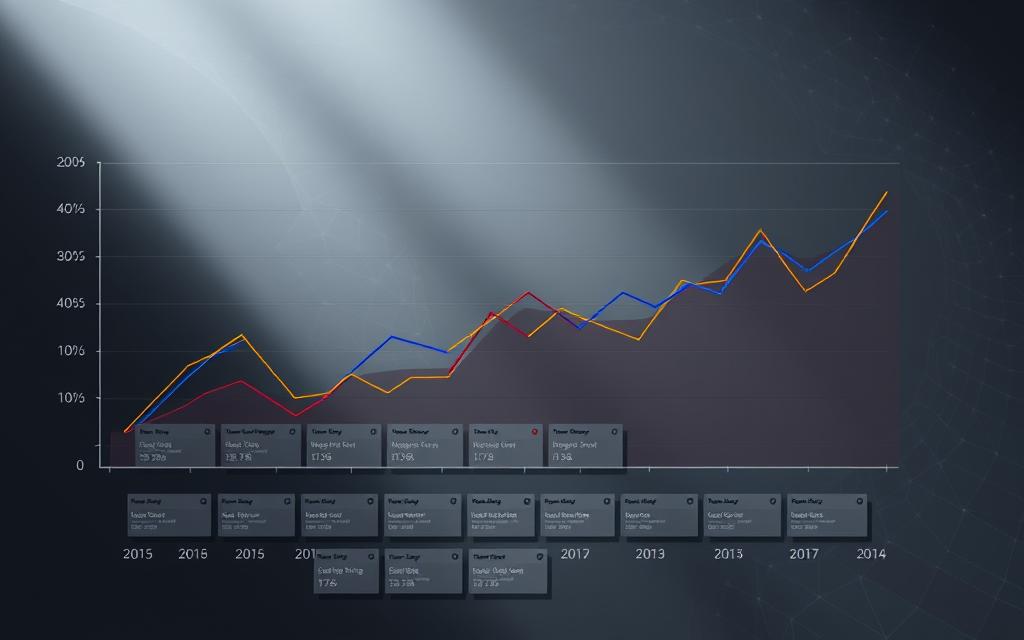
Let’s peel back the curtain on how search engine changes reshape digital fortunes. Real-world examples reveal patterns that generic advice often misses. Consider a home decor site that lost 57% visibility after the March 2024 core update—Semrush data shows their thin product descriptions triggered the drop.
Case Studies and Ranking Fluctuations
A finance blog’s recovery story stands out. After the September 2023 core update hit their rankings, they overhauled author bios with verifiable credentials. Within eight weeks, traffic rebounded by 41%. Google Search Central Blog confirms this aligns with their E-E-A-T emphasis.
Not all sectors react equally. Travel sites faced turbulence during the 2024 spam update, while healthcare portals using structured data maintained stability. One medical resource saw 29% growth by adding real patient Q&A sections—a move praised in Google’s quality rater guidelines.
Three lessons emerge from these shifts:
- Content depth matters more than ever (aim for 2,000+ words in competitive niches)
- Technical SEO alone won’t save thin pages
- Regular audits catch vulnerabilities before updates strike
Semrush Sensor tracked a 33% increase in ranking volatility during major refreshes. Yet proactive sites turned chaos into opportunity. As one e-commerce manager shared: “We treat every core update as a report card—it shows where to improve next.”
Recovery Strategies and Ranking Improvement Techniques
Ever felt like your website vanished overnight? Algorithm changes often hit without warning. But here’s the good news: most ranking drops aren’t permanent. Start by checking Google Search Console’s Performance Report. Look for traffic dips that match known update dates—like the March 2024 core refresh. This helps confirm if Google’s changes caused your slump.
Identifying and Diagnosing Ranking Drops
First, spot patterns. Did multiple pages lose visibility simultaneously? That often points to technical issues or content quality gaps. Use tools like Semrush Position Tracking to compare keyword movements against google algorithm update timelines. Case studies show sites recovering 45% faster when they:
- Audit backlink profiles for toxic links
- Compare page speeds to competitors
- Analyze click-through rates for underperforming URLs
User-Centric Content Adjustments
Google’s updates increasingly reward helpfulness. A kitchenware site regained 62% traffic by rewriting product reviews with:
- Real cooking test results
- Price comparisons across retailers
- Video demonstrations of durability tests
Another example: A travel blog recovered from the 2024 core update by adding “pros/cons” sections to hotel guides. These tweaks align with Google’s focus on solving problems, not just filling word counts.
Remember, recovery starts with understanding why rankings shifted—not just chasing fixes. Regular content updates and reader Q&A sections can turn setbacks into comebacks. Ready to climb back up? Your next update might be your best yet.
Leveraging Data from Industry Sources
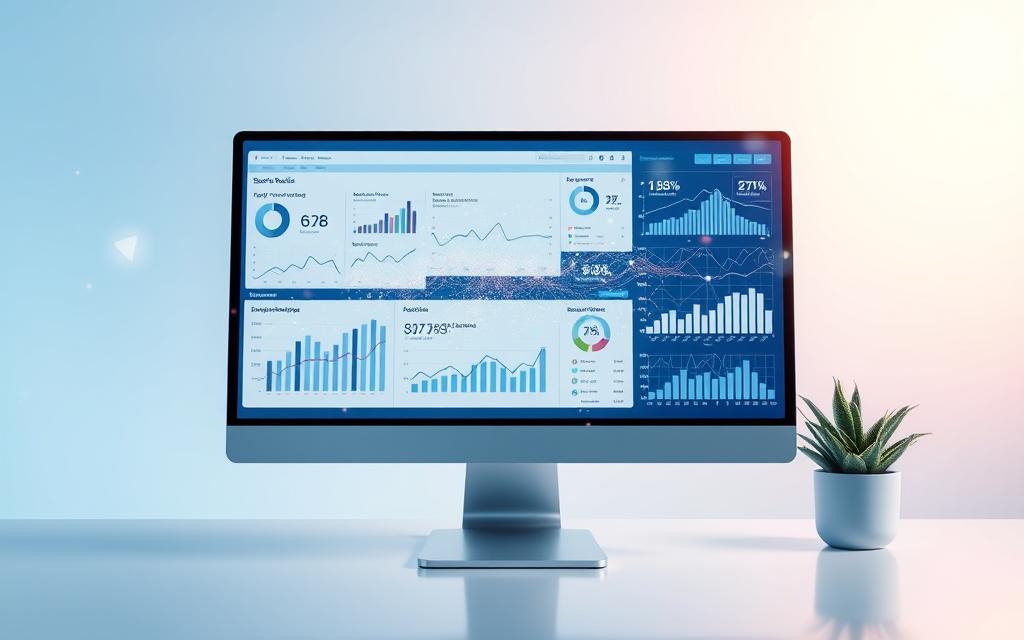
Navigating Google’s constant changes feels like solving a puzzle without the picture—unless you have the right tools. Platforms like Semrush and Search Engine Roundtable act as your cheat sheet, offering real-time clues about ranking shifts and search results patterns.
Using Semrush, Search Engine Roundtable, and More
Semrush Sensor tracks daily volatility across industries. When a spam update hits, this tool shows which sectors got hit hardest. For example, during the March 2024 refresh, travel sites saw 18% more fluctuations than finance sites. Search Engine Roundtable adds context—like Google’s confirmed tweaks or unannounced tests.
Why does this matter? Data connects the dots between core updates and your site’s performance. If 40% of pages lost visibility post-update, check if they share thin content or slow load times. Tools like Ahrefs’ Rank Tracker reveal competitor recoveries, hinting at winning strategies.
Three ways to use these insights:
- Compare your traffic dips to search results volatility timelines
- Analyze backlink profiles of pages surviving spam update sweeps
- Benchmark content depth against top-ranked posts after core updates
Think of industry data as weather reports for SEO storms. They won’t stop the rain, but they’ll help you build a better umbrella.
The Future of Google Algorithm Updates
What if your website could predict Google’s next move? While we can’t see the future, recent patterns hint at where search is headed. Expect more core updates in 2025—each sharper and faster than before. Google’s focus on helpful content won’t waver, but how they measure it might surprise you.
Emerging Trends and Predictions for 2025
Three shifts will dominate:
- AI-powered quality checks: Algorithms may summarize page value in seconds, favoring depth over word count
- Reviews update evolution: Expect stricter scrutiny of affiliate-heavy content and fake testimonials
- Seamless UX integration: Metrics like scroll depth and mobile navigation speed could directly impact rankings
Why does this matter? Last year’s updates proved Google rewards those who adapt early. Sites using tracking key Google algorithm changes recovered 3x faster than competitors. In 2025, real-time adjustments will separate leaders from laggards.
Prepare for smarter spam filters too. The 2024 updates cracked down on AI-generated fluff, but next year’s systems might detect subtle quality dips. One thing’s certain: static websites relying on old tactics won’t survive the shakeup.
Stay curious, stay flexible. As one SEO strategist joked: “Google’s roadmap changes faster than my GPS reroutes.” Your best bet? Build content that solves problems first—and let the algorithms catch up.
Best Practices for Content Optimization Amid Algorithm Changes
Want your content to thrive through Google’s constant changes? Start by treating updates as helpful nudges—not roadblocks. The 2024 core update made one thing clear: quality and adaptability win. Here’s how to stay ahead without chasing every tweak.

First, keep your ear to the ground. Bookmark Google announced channels like Search Central Blog and Twitter. When shifts happen, you’ll know fast. Tools like Semrush Sensor track ranking tremors, letting you spot patterns before they become problems.
Three steps to bulletproof your strategy:
- Refresh old content quarterly: Add new data, trim fluff, and answer “people also ask” questions
- Test technical tweaks: Improve mobile speeds by 0.5 seconds? That could mean 15% better rankings
- Audit with E-E-A-T lenses: Show author expertise through case studies or certifications
The core algorithm now values depth over density. A 1,200-word guide with real solutions beats a 3,000-word rehash. After the 2024 core refresh, sites using video walkthroughs saw 28% more traffic than text-only competitors.
Remember: Google’s playing the long game. So should you. Build content that solves problems today—and adapts smoothly to tomorrow’s changes.
Conclusion
Staying visible in search results demands more than luck—it requires strategy. Regular content updates and technical refinements keep sites aligned with search engine priorities. The 2023 core update taught us that depth and user-first design outweigh quick fixes.
Page experience remains non-negotiable. Clean designs and fast load times aren’t just preferences—they’re ranking essentials. Over 60% of searches happen on phones, making mobile responsiveness a cornerstone of success.
The digital landscape evolves faster than ever. Adapting means treating updates as guides—not obstacles. For those ready to act, resources like how to optimize content effectively provide actionable steps.
Treat each algorithm shift as a progress report. It highlights where to improve next. Stay curious, stay agile, and let quality guide your path forward.