
Improving your website’s visibility online starts with understanding how digital platforms prioritize information. When your pages align with what search engines value, they’re more likely to appear in top search results. This guide breaks down practical steps to enhance your site’s performance, from technical tweaks to crafting reader-friendly material.
Modern search engines use complex algorithms to crawl, index, and rank web pages. Their goal? To deliver the most relevant answers to user queries. By following guidelines like Google’s Search Essentials, you can ensure your content meets quality standards. There’s no magic trick, but consistent effort pays off.
What makes a difference? Focus on clarity, structure, and user intent. Tools like effective search engine optimization strategies highlight the importance of balancing technical precision with engaging writing. Small adjustments—like improving page speed or refining keywords—can boost rankings over time.
Ready to dive deeper? This article shares actionable methods to help your site stand out. Whether you’re refining metadata or building audience trust, every step brings you closer to lasting success in organic search results.
Introduction to Content Optimization
Creating content that resonates with both users and algorithms requires strategic refinement. Content optimization shapes your material to meet search engine standards while keeping readers engaged. Think of it as polishing a diamond—enhancing clarity and value without losing authenticity.

What Is Content Optimization?
This process involves tweaking text, meta descriptions, and multimedia to boost organic reach. It ensures your work aligns with what search engine crawlers prioritize, like relevance and structure. Well-optimized pages answer user questions clearly and load efficiently, which keeps visitors scrolling longer.
Why It Matters for Your Website
Ignoring best practices can bury your site in rankings. For example, crafting concise meta descriptions improves click-through rates. Clear headings guide readers and help algorithms understand your page’s focus. Regularly updating piece content also signals freshness to crawlers, which favors active websites.
Avoid overloading keywords—readers prefer natural language. Small changes, like fixing broken links or compressing images, add up. Over time, these adjustments strengthen your site’s authority and create a smoother experience for everyone.
Understanding SEO Fundamentals
Effective SEO relies on aligning your site with search engine protocols. Crawlers scan pages to index them, ensuring they appear in relevant queries. Think of it like a librarian organizing books—except here, speed and clarity determine your visibility.

How Search Engines Work
Bots visit your site to analyze text, images, and code. They prioritize pages that load quickly and follow technical guidelines. For example, Google’s crawlers update indexes daily, favoring fresh content that answers user questions clearly.
Avoid keyword stuffing—overloading text with phrases hurts readability. Instead, use natural language that matches what people type into the search bar. Tools like keyword research platforms help identify phrases that balance relevance and competition.
Core Ranking Factors
Quality content remains king. Pages with original insights or actionable tips outperform thin material. Technical elements like mobile-friendliness and secure connections also matter. Together, they signal trustworthiness to algorithms.
Regular updates keep your site competitive. Search engines reward pages that maintain engagement through comments or refreshed data. Pair this with clean code and intuitive navigation to climb rankings steadily.
The Role of Content in Digital Marketing
In today’s digital landscape, content wears two hats: educator and marketer. It informs audiences while quietly building trust for your website. Studies show brands that blend expertise with approachable messaging see 3x higher engagement in search results.

Modern SEO transforms content into a customer magnet. For example, a travel blog doubled its organic traffic by pairing destination guides with localized keywords. This approach answers queries while subtly guiding readers toward booking tools.
Three ways strategic content drives success:
- Trust through value: Tutorials and case studies position brands as industry leaders
- Algorithm alignment: Clean code and mobile-friendly layouts please crawlers
- Shareability factor: Infographics and videos earn backlinks naturally
A bakery’s recipe blog demonstrates this balance. By optimizing baking tips with SEO best practices, they ranked for 120+ ingredient-related terms. Their website traffic converted into in-store visits at a 14% rate.
Authenticity remains non-negotiable. Audiences spot forced keywords but reward genuine expertise. When technical precision meets creative storytelling, content becomes your silent salesperson—working 24/7 in search results.
Technical SEO Best Practices
Behind every high-ranking website lies a foundation of technical precision. Responsive design, structured data, and swift-loading pages form the backbone of search-friendly platforms. These elements ensure both users and crawlers navigate your site effortlessly.

Improving Site Structure and Performance
A logical hierarchy helps crawlers index your pages efficiently. Start with clean URLs like /blog/seo-tips instead of messy strings. Proper redirects prevent dead ends when updating content. Canonical tags signal which version of a page to prioritize, avoiding duplicate issues.
Speed matters. Compress images and enable browser caching to shave seconds off load times. Mobile responsiveness isn’t optional—over 60% of searches happen on phones. Tools like Google’s PageSpeed Insights pinpoint performance gaps.
Ensuring Accessibility for Crawlers
Make your content crawlable with an XML sitemap and robots.txt file. Avoid hiding text in JavaScript-heavy elements. Use descriptive alt tags for images so bots “see” visuals like users do.
Strategically place keywords in meta titles and URLs without forcing them. For example, yourdomain.com/best-running-shoes clearly states the page’s focus. Regular audits catch broken links or missing tags that block access to valuable content.
Effective Techniques: How to Optimize Content for Search Engines
Balancing algorithm requirements with human interests transforms bland pages into traffic magnets. Start by researching phrases your audience actually uses. Tools like AnswerThePublic reveal questions people ask, while Google’s Keyword Planner highlights high-value terms with manageable competition.

Once you’ve identified target keywords, weave them into headings and body text naturally. A home decor blog might use “affordable living room ideas” as a primary phrase, then include variations like “budget-friendly sofa arrangements” or “low-cost wall art tips.” This approach satisfies engines without sounding robotic.
Prioritize readability. Break complex ideas into snackable paragraphs and use active verbs. For instance, instead of stuffing “best running shoes for women,” create a conversational guide comparing durability and comfort features. Mastering pay-per-click advertising complements these efforts by driving targeted visitors to optimized pages.
Track performance monthly using Google Search Console. Notice a drop in rankings for “quick vegan recipes”? Refresh the post with new ingredient alternatives or cooking hacks. Small tweaks keep people engaged and signal freshness to engines.
Remember: overloading keywords backfires. Tools like Frase.io analyze content density, helping maintain that sweet spot between technical precision and human appeal. Test different formats—listicles often outperform dense essays in mobile-first searches.
Optimizing On-Page Elements
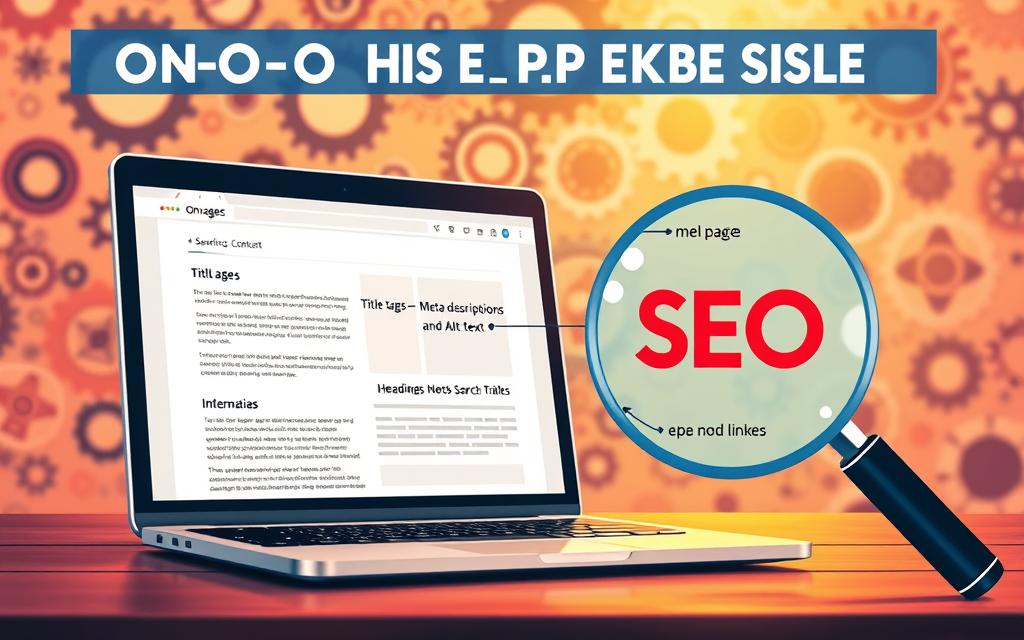
Your website’s hidden helpers work quietly behind the scenes to boost visibility. On-page elements like meta tags and image alt text act as signposts for crawlers and readers alike. When optimized, they turn casual browsers into engaged visitors.
Meta Tags and Descriptions
Think of meta tags as your page’s elevator pitch. A compelling title tag with primary keywords increases click-through rates by up to 36%. Keep descriptions under 160 characters—clear previews of your information entice users to choose your link over competitors.
For example, a bakery site changed “Our Bread Selection” to “Fresh Artisan Sourdough: Handcrafted Daily.” Click-throughs rose 22% in a month. Pair this with e-commerce marketing strategies for maximum impact.
URL Structure and Breadcrumbs
Clean URLs like /blog/seo-tips help readers and crawlers navigate. Breadcrumbs (Home > Blog > SEO) show users their location, reducing bounce rates. A travel site shortened URLs from 45 to 15 characters—organic traffic jumped 18%.
Image and Media Optimization
Alt text transforms visuals into searchable information. Describe images naturally: “woman hiking rocky trail at sunset” beats “IMG_1234.jpg.” Compress files to under 100KB without losing quality. A furniture store added alt tags to 300 product images—rankings for “modern sofa designs” climbed 14 spots.
Always ask: Does this element help or confuse? Tiny tweaks create big wins when aligned with user needs.
Crafting High-Quality, User-Centric Content
Building trust online starts with content that educates and resonates. Search engines reward pages prioritizing Expertise, Experience, Authoritativeness, and Trustworthiness (E-E-A-T). This framework helps your blog or web platform stand out as a reliable resource while keeping visitors engaged.
Applying the E-E-A-T Principle
Demonstrate expertise by citing credible sources or sharing case studies. For example, a medical site might link peer-reviewed research to support health tips. Author bios with qualifications boost authority, while transparent product reviews build trust. High-quality SEO content often balances these elements naturally.
Update older posts with fresh data to maintain relevance. Search engines favor pages showing ongoing commitment to accuracy. Avoid vague claims—specific examples like “82% of users prefer video tutorials” make your web content more persuasive.
Engaging Your Target Audience
Know your readers’ pain points. A cooking blog could address common kitchen mistakes in recipe intros. Use relatable language instead of jargon. Phrases like “quick fixes for soggy pie crusts” speak directly to the audience’s needs.
Mix text with visuals like comparison charts or short videos. Interactive quizzes on fitness sites, for instance, keep visitors exploring your web pages longer. Storytelling also works—share customer success stories to create emotional connections.
Clarity trumps complexity. Break instructions into numbered steps and use subheadings for skimmers. When your audience finds answers fast, they’re likelier to return or share your blog with others.
Content Formatting and Readability Tips
Great content isn’t just about what you say—it’s how you present it. Clear formatting turns overwhelming walls of text into inviting pathways. Studies show pages with strong visual hierarchy keep visitors engaged 40% longer. Let’s explore practical ways to make your material shine.
Using Headings, Lists, and Short Paragraphs
Break your topic into bite-sized chunks. Subheadings act like road signs—they guide readers through your ideas. For example, a cooking blog might use “Essential Tools” and “Step-by-Step Instructions” to organize a recipe post.
Bullet points simplify complex details:
- Compare product features side-by-side
- Highlight key statistics or benefits
- List actionable tips for quick reference
Keep paragraphs under three lines. This creates breathing room, especially on mobile screens. A finance site reduced bounce rates by 29% after shortening dense sections.
Integrating Visuals and Multimedia
Images and videos make abstract concepts tangible. An infographic explaining insurance terms outperformed text-only explanations by 63% in shares. For product reviews, embed comparison charts showing sizes or pricing tiers.
Follow these readability best practices when adding media:
- Use captions to reinforce your topic
- Place visuals near related text
- Compress files to maintain page speed
A travel agency added destination videos to their blog—time-on-page increased by 2.5 minutes. Remember, every example or chart should serve a purpose, not just fill space.
Leveraging Social Media and External Links
Expanding your digital footprint requires more than great content—it demands strategic partnerships. Authoritative backlinks act like votes of confidence, telling search engines your material deserves attention. Pair this with social media engagement to amplify your reach organically.
Building Authoritative Backlinks
Quality links from trusted sites boost your ranking by signaling credibility. A tech blog earning a backlink from a major industry site saw traffic jump 37% in two months. Focus on creating shareable resources like original research or tools others want to reference.
Social platforms help forge these connections. Engage niche communities by answering questions or sharing expert insights. A gardening brand grew its backlinks 62% by collaborating with micro-influencers on Instagram tutorials.
Compelling titles and eye-catching images make content irresistible for sharing. Use tools like BuzzSumo to identify trending formats in your field. For example, “5 Budget-Friendly Home Office Hacks” outperformed generic posts with a 29% higher click-through rate.
Monitor your backlink profile using Ahrefs or SEMrush. These platforms flag spammy links that could hurt ranking. Regularly prune low-quality connections while nurturing relationships with high-authority sites.
Reach out to industry leaders with personalized pitches. Offer to contribute guest posts featuring their expertise—many will reciprocate with links. A fitness coach landed 14 premium backlinks by co-creating workout guides with certified trainers.
Monitoring SEO Performance and Analytics
Tracking your site’s progress is like having a roadmap to SEO success. Regular check-ins reveal what’s working and where adjustments matter most. With the right data, you can align strategies with business goals while keeping visitors engaged.
Key Metrics to Track
Start by watching organic traffic—this shows how many users find you through search results. A sudden drop might mean technical issues or outdated content. Bounce rate matters too—high numbers suggest pages aren’t meeting visitor needs.
Track keyword rankings for target phrases. Tools like Ahrefs highlight shifts in visibility. Also, monitor links—both incoming backlinks and internal connections. Quality links boost authority, while broken ones frustrate users.
Utilizing SEO Tools Effectively
Google Search Console offers free insights into crawl errors and mobile usability. Create custom dashboards to track business-critical metrics like conversion paths. Ahrefs’ Site Audit tool pinpoints technical gaps, from duplicate content to slow-loading pages.
Weekly reports help spot trends. For example, a 20% traffic spike after updating a guide confirms content freshness matters. Combine data from multiple sources to make informed decisions. Regular audits ensure your site stays competitive in evolving search landscapes.
Prioritize actionable insights. If a page ranks #11 for a key term, tweak its meta tags or add supporting links. Small changes based on data often lead to big wins over time.
Using Cutting-Edge Tools for Content Optimization
Today’s digital landscape rewards those who combine creativity with smart technology. Tools like Ahrefs and AI writing assistants streamline the optimization process, turning guesswork into data-driven decisions. These platforms help creators target audience needs while maintaining technical precision.
Keyword Research with Ahrefs
Ahrefs simplifies finding high-value phrases. Its Keyword Explorer tool analyzes search volume and competition, highlighting opportunities competitors miss. For example, a pet supplies brand discovered “durable cat trees for large breeds” through Ahrefs—a phrase driving 850 monthly searches with low rivalry.
The platform also reveals content gaps. By comparing top-ranking pages, you’ll spot missing angles to enhance your piece. This approach helps target user intent more effectively, boosting relevance in search results.
Incorporating AI Writing Tools
AI tools like ChatGPT overcome writer’s block by suggesting outlines or rephrasing complex ideas. They maintain a natural tone while integrating keywords seamlessly. A finance blog used Surfer SEO’s AI to balance “investment experience” mentions without sounding forced—engagement rose 18%.
Testing different layouts matters. Tools like Frase.io compare headings and paragraph lengths against top-performing content. For voice search trends, voice search optimization tools analyze conversational phrases to align with spoken queries.
Key benefits of modern tools:
- Accelerate research while maintaining accuracy
- Offer real-time suggestions to improve readability
- Bridge the gap between technical SEO and audience experience
Adapting Your SEO Strategy Over Time
Staying ahead in SEO is like navigating a river—currents shift, and you must adjust your course. Algorithms evolve, user behaviors change, and yesterday’s practices might not work tomorrow. Regular tweaks keep your marketing efforts aligned with these shifts.
Continuous Monitoring and Iteration
Track performance metrics monthly. Tools like Google Analytics reveal which pages attract visitors and which fall flat. Did a core update drop your rankings? Update outdated content or improve page speed. Testing different headlines or meta descriptions through A/B splits can boost click-through rates over time.
Stay informed about industry changes. Follow official search engine blogs for updates. For example, adapting to AI-driven features like SGE experiences ensures your strategy remains relevant. Competitor analysis also uncovers gaps—maybe they’re targeting phrases you’ve overlooked.
Build flexibility into your marketing plan. Quarterly reviews let you refine tactics based on fresh data. Remember: SEO success isn’t a sprint. It’s a marathon where steady adjustments, grounded in reliable practices, create lasting visibility.
Conclusion
Mastering SEO is like tuning an instrument—every adjustment harmonizes visibility and value. Throughout this guide, we’ve explored balancing technical precision with engaging storytelling. From crafting compelling descriptions to structuring websites for speed, each piece plays a role in climbing rankings.
Remember: quality words build trust, while clean code ensures crawlers index your websites efficiently. Crafting clear descriptions and choosing precise words ensures your websites meet user intent. Whether refining meta tags or updating blog content pieces, consistency drives progress.
The digital landscape evolves fast—stay curious and adapt strategies as algorithms shift. Ready to elevate your website? Apply these insights, track results, and tweak approaches. Share your experiences below—we’d love to hear how these tips transform your description game!